
“High-functioning autism” is a term that’s often misunderstood. People hear it and assume it means “mild autism” or “not really that different.” But that’s not how it feels.
The reality is, it’s autism that often goes unseen – the kind that doesn’t stand out immediately in social or professional settings, but still impacts how I think, work, and experience the world.
I’ve learned to navigate the workplace well enough that, from the outside, I probably don’t seem “autistic” to most people. But that doesn’t mean I don’t struggle. I just do it internally, out of sight.
That doesn’t mean I don’t struggle. I just do it internally, out of sight.
What High-Functioning Autism Means for Me
For me, high-functioning autism means:
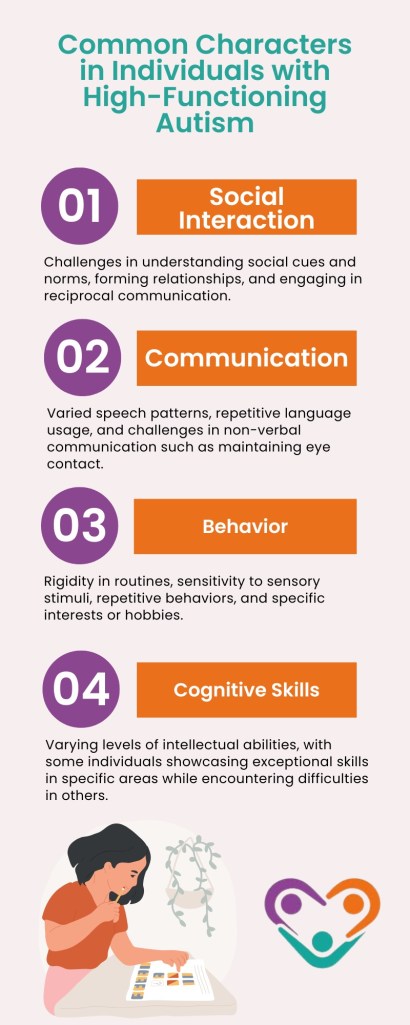
I can hold conversations, but they drain me quickly. I can adapt to changes, but it takes mental effort and disrupts my thinking. I can work in busy environments, but sensory overload builds up fast. I understand social expectations, but they often don’t make sense to me.
It means I function well enough that people often don’t realise I’m struggling—until I hit a wall.
How It Shapes My Career
Autism is a constant push and pull in my career.
I excel in structure, data, and deep analysis, which makes me great at strategic planning and performance management. But I also struggle with rapid change, ambiguity, and social expectations in leadership.
I thrive in:
- Structured workflows and clear processes
- Deep focus on complex, strategic problems
- Seeing patterns and insights others miss
But I struggle with:
- Rapid shifts in priorities or expectations
- Unspoken social cues in leadership settings
- The mental exhaustion of masking and adapting to neurotypical environments
What I Want Others to Understand
Being autistic doesn’t mean I’m less capable. It means I work differently.
It means:
- I might not react instantly to change, but I’ll find the best solution when I have time to process.
- I might not always express emotions in the way people expect, but I care deeply.
- I might not be the most socially dynamic leader, but I lead with clarity, logic, and intent.
And most importantly—it means neurodiversity is a strength when we stop forcing autistic professionals to work like everyone else and start valuing how we work best.
 Autism: Through My Eyes