
Stepping into leadership as an autistic professional isn’t just about learning new skills – it’s about learning how to navigate the unique challenges that come with being autistic in high-pressure environments.
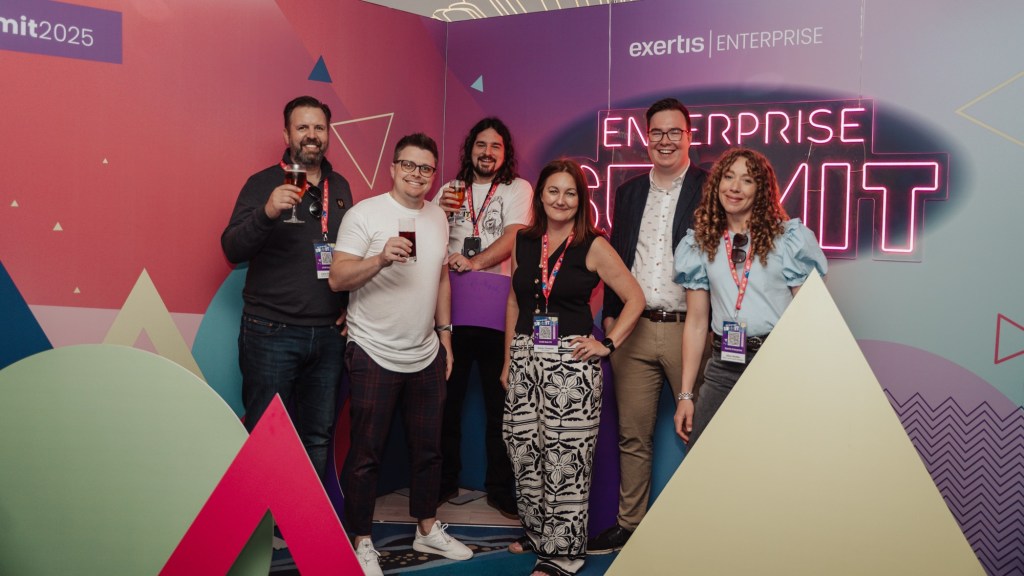
Over the past 3-6 months, I’ve faced one of the biggest challenges of my career: managing the Enterprise Summit while stepping into a leadership role. I wanted to do everything right, make sure every detail was perfect, and keep complete control over the process. But in doing so, I pushed myself too hard, ignored the warning signs, and walked straight into sensory overload and burnout.
I’ve always been structured in how I work, but this wasn’t just about structure – it was about learning how to manage uncertainty, delegate effectively, and balance perfectionism with reality. And that’s where I struggled the most.
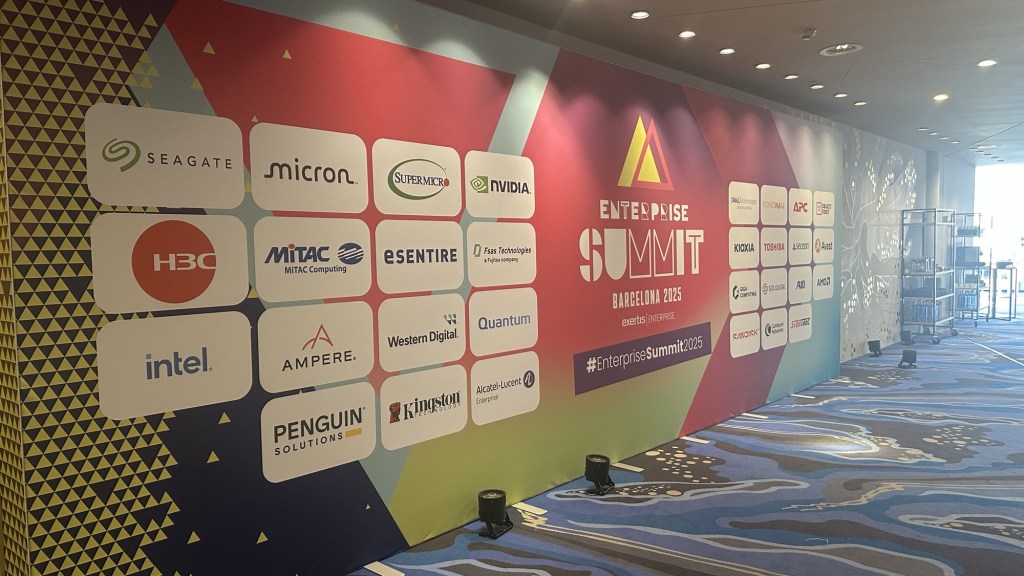
The Autistic Challenges of Managing a Large-Scale Event
The Enterprise Summit was never going to be an easy project, but I underestimated how much it would test my autistic traits:
- Sensory overload from constant meetings, discussions, and last-minute changes.
- Decision fatigue from endless problem-solving and competing priorities.
- Difficulty delegating because I wasn’t confident enough in the details myself.
- Struggling to let go of control because I needed things done a certain way.
For most people, delegating tasks or adapting to last-minute changes is just part of the job. But for me, it’s not that simple.
Autism means I process information deeply – I don’t just skim over details, I need to fully understand every aspect before I can trust it’s correct. That makes it difficult to hand over tasks to others, especially when I don’t feel like I know enough to guide them properly.
I also work best when everything is planned well in advance, but live events don’t work that way – things change constantly, and that threw me completely. Every unexpected shift felt like my entire process was unraveling.
Every unexpected shift felt like my entire process was unraveling.
And then there was the perfectionism. If something wasn’t exactly right, it wasn’t good enough. And when you’re working at this scale, that mindset is exhausting.
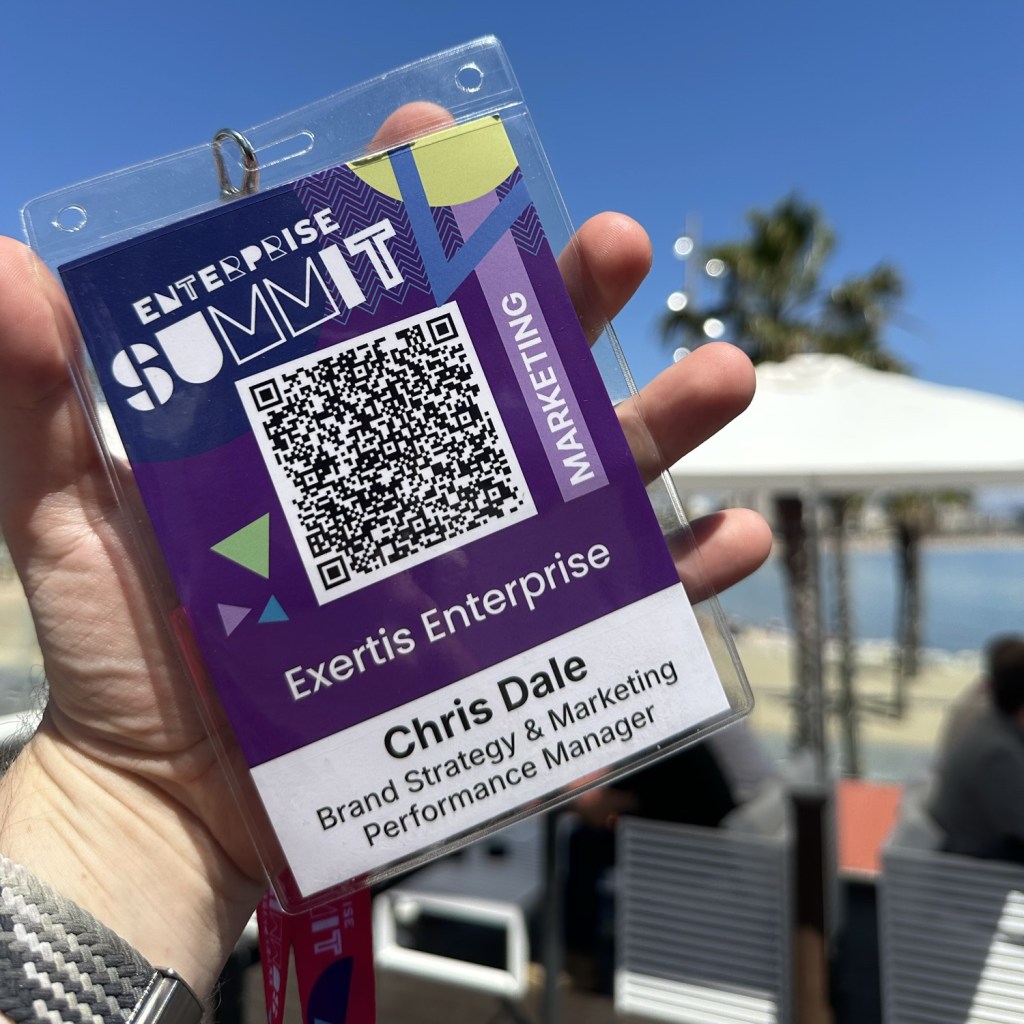
What I Was Responsible For
The Enterprise Summit wasn’t just a marketing project – it was a full-scale operation that required balancing strategic vision with the unpredictable reality of live events.
I was responsible for:
- Overseeing event branding and marketing strategy to ensure a cohesive message.
- Managing budgets and vendor sponsorships, balancing costs with impact.
- Coordinating multiple teams across different departments, making sure everything ran smoothly.
- Ensuring the event was executed flawlessly – because, in my mind, anything less than perfect wasn’t good enough.
The problem? I wasn’t just managing this event – I was trying to do it all myself.
I know how to structure projects, how to break things down into manageable steps. But in this case, I was learning as I went, and that made it harder to delegate. I didn’t feel confident enough in the details to pass them on to others.
So instead of asking for help, I held onto it all – and it broke me.
On top of that, I knew everyone else was busy with their own priorities. The Enterprise Summit was my top priority, but I didn’t want it to become just another item on someone else’s to-do list. So instead of asking for help, I held onto it all – and it broke me.

Sensory Overload and Burnout: When Everything Became Too Much
By the time we were deep into the final stretch of planning, I wasn’t just stressed – I was completely overwhelmed.
- Every meeting, every email, every problem that needed solving was stacking up in my head.
- I was absorbing so much information that my brain couldn’t process it fast enough.
- Sensory input – noise, conversations, constant back-and-forth – was draining me completely.
And yet, I still didn’t delegate. Because in my mind, handing things over would mean losing control of the project.
I knew I was reaching burnout, but instead of adjusting, I pushed through. That’s what I’ve always done – mask, adapt, keep going. But this time, it wasn’t sustainable.
By the time the event was happening, I wasn’t just exhausted – I was mentally overloaded to the point of shutdown. And the hardest part? I could see it coming, and I still let it happen.
Why Delegation and Flexibility Are Hard for Autistic Leaders
I’ve always known that delegation isn’t my strong point, but I don’t think I fully understood why until now.
- I need things to be done in a structured, logical way, which makes it hard to let others take control.
- I struggle with “just trust the process” because I need to see how every moving part fits together first.
- I don’t like uncertainty, so handing things over without knowing exactly how they’ll be handled is uncomfortable.
And on top of that, I didn’t want to burden others. I knew the people around me had their own responsibilities, and I didn’t want to make this event a second priority for them when it was my first priority.
But that mindset is exactly what led to burnout. I took everything on myself because I thought it was the only way to ensure things were done right…
…It wasn’t.

The Event Itself
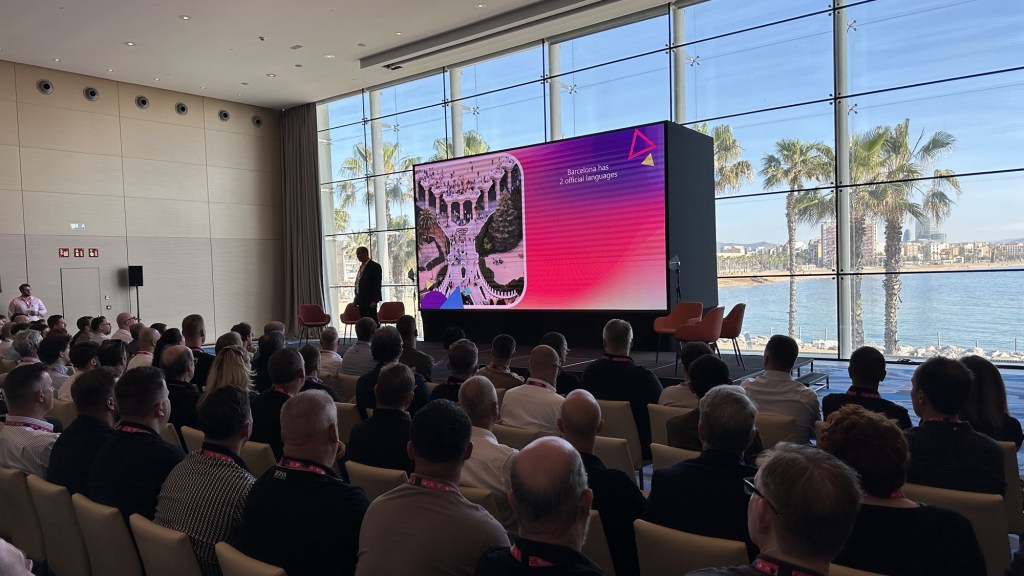
Despite all the preparation, the event itself brought even more challenges. From a European power outage that disrupted communications, to changes in plans that came at the last minute, to parts of the setup going missing – it felt like one thing after another. The app we’d built for the event also didn’t function as expected, which added to the pressure. As someone who thrives on structure and control, every unexpected issue threw me further into stress and sensory overload. I was constantly firefighting, trying to make sure that everything still looked and felt seamless to those attending.
And in the end, I did receive great feedback from stakeholders, sponsors, and attendees. But internally, I still felt like I hadn’t done enough. I kept thinking about what could have gone better. That’s the autistic perfectionism creeping in – a voice that focuses less on what went right and more on every single detail that didn’t go to plan.

What I’ve Learned About Leadership as an Autistic Professional
Now that I’m stepping into my new role as Brand Strategy & Performance Manager, I know I need to rethink my approach. Because if I don’t change the way I work, I’ll keep hitting the same wall over and over again.
Leadership isn’t about doing everything yourself – it’s about knowing when to step back and let others take ownership. It’s about trusting the team, even when it feels uncomfortable. It’s about recognising when to push forward and when to step back before burnout takes over.
That means:
- Accepting that things don’t have to be perfect to be successful.
- Letting go of complete control and trusting others to handle key tasks.
- Recognising the signs of sensory overload before it escalates to burnout.
I won’t pretend this will be easy. Adapting doesn’t come naturally to me – it takes effort, practice, and conscious decision-making. But if I want to be the kind of leader who succeeds without burning out in the process, this is the lesson I need to take forward.
Final Thoughts
This isn’t the article I originally thought I’d be writing about this experience. I wanted to talk about how I managed it all, how I balanced everything, how I handled the pressure.
But the truth is, I didn’t manage it well. And that’s just as important to talk about.
Autistic leadership comes with its own set of challenges – sensory overload, perfectionism, difficulty delegating, and a need for structure that doesn’t always fit into high-pressure environments. But those challenges don’t make us incapable. They just mean we need to approach leadership differently.
This experience has shown me where I need to grow. And growth, no matter how uncomfortable, is what will make me a better leader moving forward.
For anyone who struggles with delegation, control, and burnout – how do you navigate it? Let’s start a conversation.
 Autism: Through My Eyes