

There’s something fascinating about the way marketing taps into human behavior – the subconscious cues, the emotional hooks, the visual choices that make something stick. I’ve always been drawn to that side of marketing. Not just what something looks like, but why it works.
As someone with autism, I approach marketing in a way that’s both deeply analytical and emotionally strategic. I might not always connect with people easily in a social setting, but I see the patterns in how they think, feel, and respond to design and messaging. I don’t just create – I question, analyse, and obsess over the experience from start to finish.
Design That Resonates: The Psychology Behind Branding
One of the clearest examples of this was the Enterprise Summit. I worked closely with our senior lead designer to evolve the look, tone, and feel of the entire event. But it wasn’t just about looking good – it was about how we wanted people to feel.

We chose specific colours based on the emotions people associate with them, drawing from colour psychology and memory studies. These colours weren’t random – they were designed to spark energy, trust, inspiration or calm, depending on the space and moment.
We also built the theme around nostalgia, taking inspiration from the 70s, 80s, and 90s – the decades that shaped many of our attendees. We knew from research that nostalgia creates a feel-good emotion, and when people feel good, they retain more information. That’s why we used tie-dye patterns to echo the 70s and 80s, and incorporated geometric, playful visuals that subtly nodded to the “Saved by the Bell” aesthetic of the 90s.
This wasn’t surface-level branding – it was subconscious strategy. People remembered the event more because they felt something during it. And they felt something because we designed it that way.
This wasn’t surface-level branding – it was subconscious strategy
Autism helps me think in these layers. I see how visuals and words interact. I sense when something’s off in the flow or the mood it creates. My brain’s natural attention to patterns and emotional cause-and-effect means I’m constantly thinking about how the brand feels as much as how it looks.
Telling a Story, Not Just Selling a Message
Marketing, to me, isn’t about quick wins or clicks – it’s about building a narrative. And that narrative needs to feel cohesive across every platform, every asset, every interaction.
My autistic thinking is naturally structured. I plan in sequences, and I find comfort in consistency. That means when I build campaigns, I think of them like chapters in a story. What do people see first? What’s their takeaway? How does each message feed into the next?
I want people to go on a journey – whether they’re learning about our services, meeting our people, or attending an event. And I want that journey to feel intentional, strategic, and human.
I want people to go on a journey
It’s that structured thinking combined with emotional awareness that helps me shape campaigns that build trust, not just awareness. I’m not interested in shouting louder. I’m interested in speaking more meaningfully.
The People Behind the Brand
One of the things I’m most proud of is how we’ve brought more expression and personality into our brand – especially through photography.
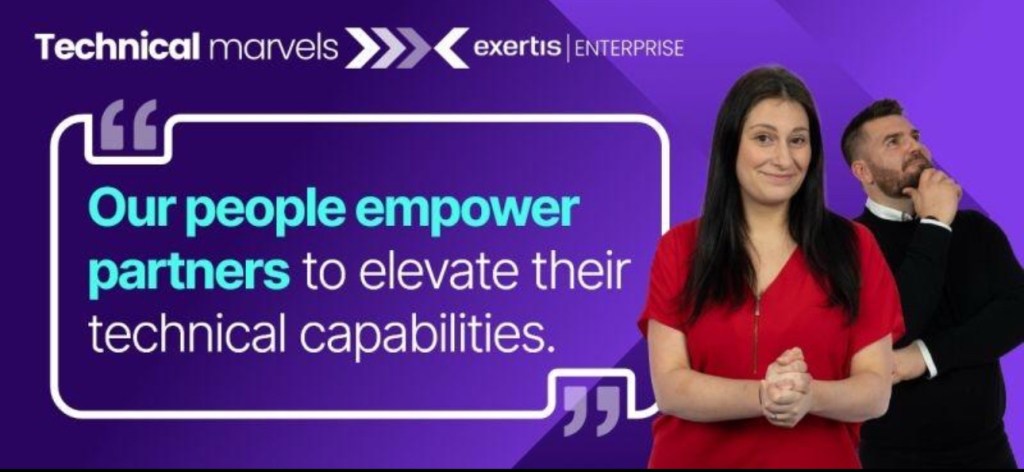

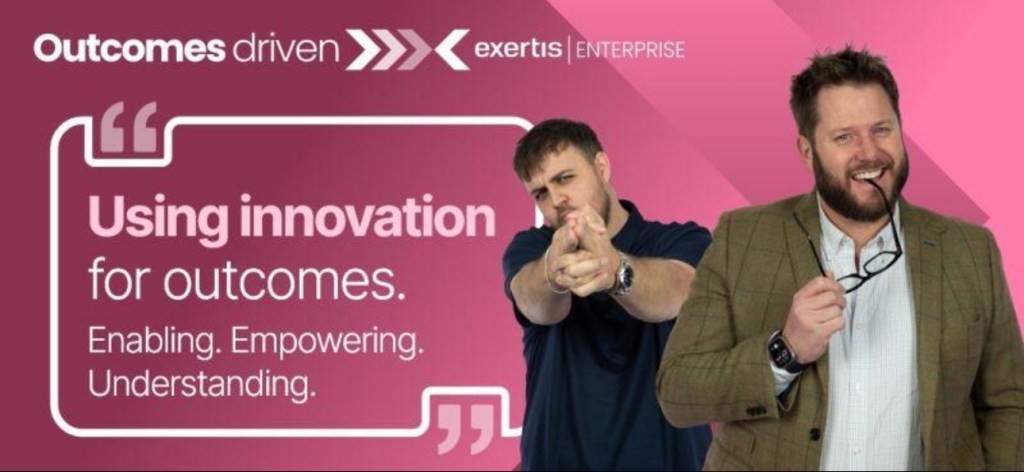
I’ve championed using real photos of our team that show not just faces, but personality. Expression photos – genuine, light-hearted, sometimes even silly – show that we’re not robots. We’re people. And people buy from people.
From a psychological perspective, familiarity and warmth build trust. But from an autistic perspective, I’m always asking: “Does this feel human?” That’s how I connect. I might not be good at reading body language or emotions instinctively – but I know what resonates emotionally when I see it clearly. That’s why I believe in branding that puts real people forward. It strips away the corporate mask and shows something more authentic.
The Data Behind the Design
In my role as Brand Strategy & Performance Manager, I now focus just as much on performance as I do on creative. And truthfully, I love that.
I’m not just interested in what looks good – I want to know what works, and how we can back it with data.
I love digging into the numbers – click-through rates, dwell times, conversion paths – not just to measure success, but to uncover patterns and hidden insights. I don’t just look at what people clicked on – I want to know why they clicked, what they expected, where they dropped off, and what we can do better.
Autism gives me the ability to hyper-focus, to deep dive into data that others might skim over, and to spot inconsistencies or missed opportunities others might not even notice. If something isn’t working, I don’t just accept it – I dissect it. And if something is working, I want to understand exactly how, so we can repeat it, refine it, and scale it.
If something isn’t working, I don’t just accept it – I dissect it
For me, the data isn’t just about numbers – it’s another layer of the story. A way to track intent, reaction, and outcome. The detail behind the detail. And I love exploring every part of it.
Final Thoughts
Being autistic doesn’t just shape how I work – it’s what makes me good at what I do. I see patterns. I dive deep. I think differently. That’s not a limitation – it’s a superpower, especially in an industry that’s all about understanding people and creating meaningful experiences.
Marketing isn’t just about catching attention. It’s about connection. And through my eyes, that connection starts by understanding what truly resonates – consciously and subconsciously.
Because when we understand people on a deeper level, we don’t just sell to them – we build something they want to be part of.
 Autism: Through My Eyes