
For most of my life, I didn’t know I was autistic. I just thought things felt harder for me than they seemed to for everyone else. I didn’t quite understand why certain situations overwhelmed me, why I fixated on things the way I did, or why I constantly felt like I was working harder just to appear “fine.”
It wasn’t until much later – through conversations with a colleague (who too has personal experience with neurodiversity in her family), research, and eventually assessment – that I came to realise what had been there all along. And when I look back now, I can see the signs were there… just not in ways that were easy to recognise. Not even for me.
What My Childhood Looked Like (On the Surface)
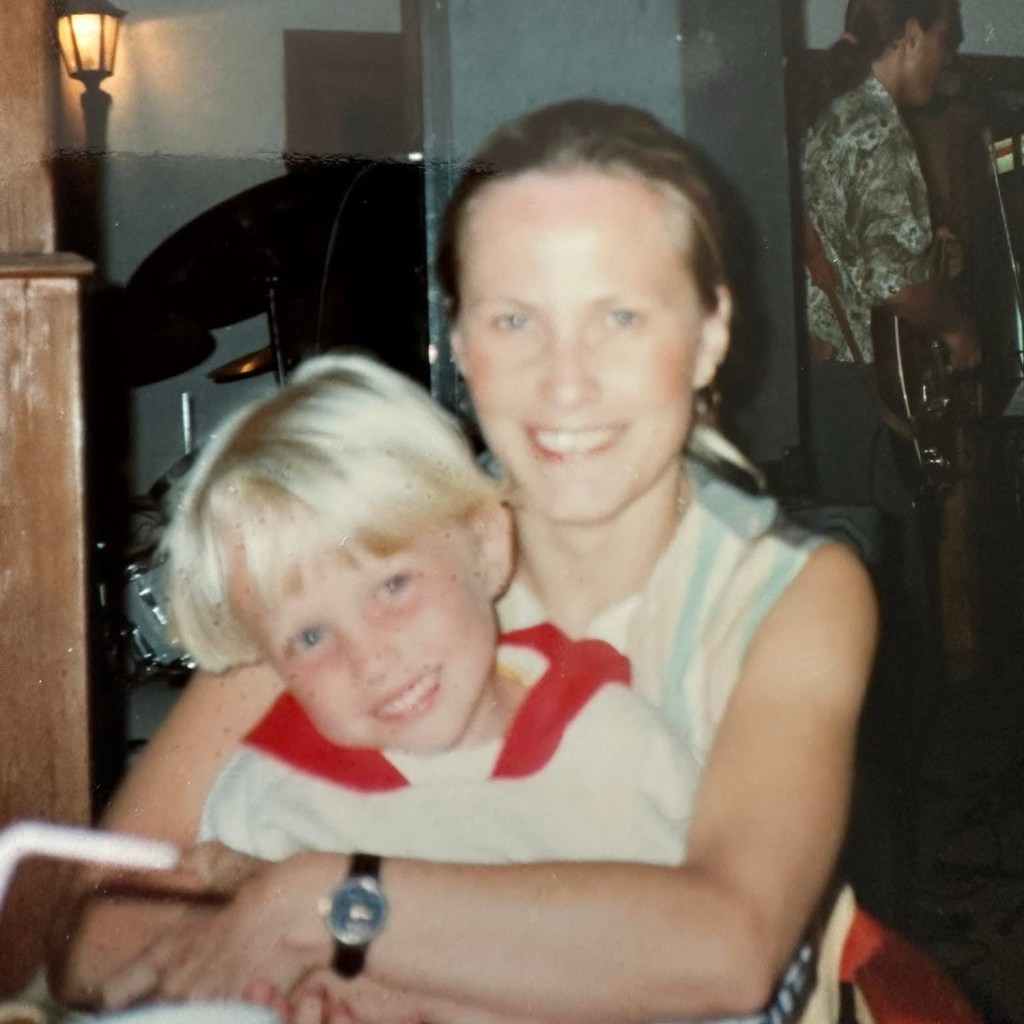
I wasn’t the quiet, withdrawn child that people often associate with autism. In fact, I was the opposite. I was loud, sociable, and always involved. I played with other kids, I cracked jokes, and I probably seemed like the last person who might be “struggling.”
But underneath all that, I was copying. I mimicked how others acted because I didn’t quite know how to be in those situations myself. I didn’t always understand the rules of interaction, but I was smart enough to learn them – at least on the surface.
What I didn’t realise back then was that this was a form of masking. I didn’t know it had a name. I just thought I was doing what everyone else was doing. I thought it was normal to feel completely drained after being around people. I thought it was normal to rehearse conversations in your head before you had them – or to replay them for hours after.
I thought it was normal to rehearse conversations in your head before you had them – or to replay them for hours after
Traits That Were Easy to Miss
Looking back with the clarity of diagnosis, I can see that so many of my behaviours were subtle signs of autism. But they didn’t look the way most people expected them to.
I wasn’t sensitive to loud noises – but I was very particular about food textures. I didn’t flap or stim in an obvious way – but I fixated on things intensely, going through “phases” of deep obsession with topics or activities.
I wasn’t antisocial – but I often struggled to fit in. I thought I blended in well, but over time I started to pull away a bit, especially as social expectations became more complex. I could talk easily, but sometimes said things that were inappropriate or badly timed. I didn’t understand why people reacted the way they did. I just assumed I was awkward.
I was capable, academic, and organised. I did well in school. But if something didn’t go to plan, it threw me completely. I was particular about routines and easily frustrated when things changed without warning. I now realise that was my way of managing the world – through predictability and control.
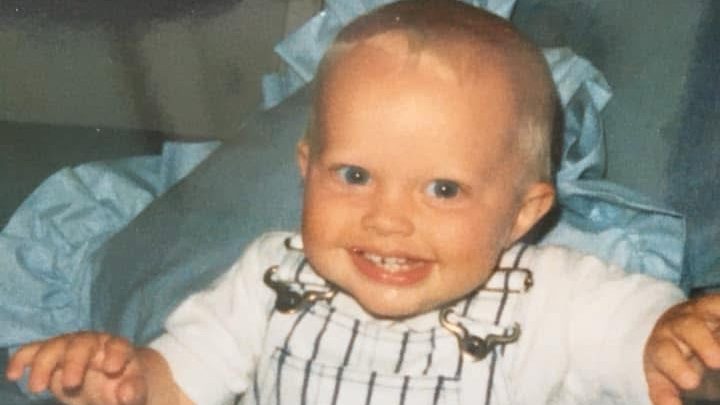
My Parents Saw It Too – They Just Didn’t Know What It Was
One of the most emotional parts of going through the diagnostic process was reading how my mum described me as a child during my assessment. Everything I’d always felt but couldn’t explain – she had seen it too. It was in the way she described me getting stuck on things that felt unfair, how I reacted emotionally to things that seemed small to others, or how I was desperate to please people even if I didn’t quite understand the social rules.
She remembered how I could be “a lot” in group settings – not disruptive, but intense. She noticed how I was incredibly focused on certain games or topics and would talk about them endlessly. That I could be outgoing and animated, but also prone to retreating into myself when things felt too much.
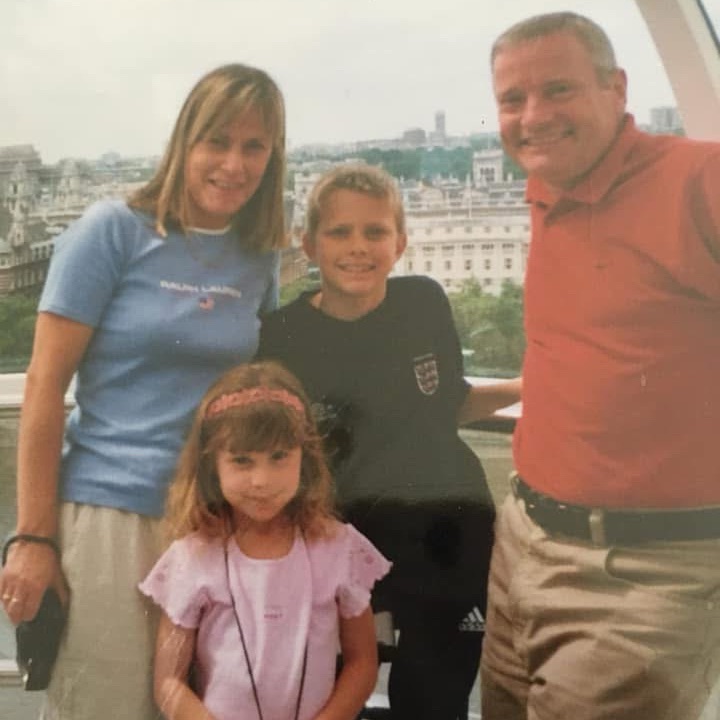
At the time, none of it screamed autism. To my parents, I was just “Christopher” – a bit quirky, a bit sensitive, clever, creative, sometimes loud, sometimes intense. Nothing alarming. Nothing that raised red flags. And honestly, I don’t blame them for that.
This is the part I want to be really clear about: I don’t look back with frustration or blame. My parents loved me, supported me, and did everything they could with the information they had. They didn’t miss anything – they just didn’t know what to look for. And that’s exactly why awareness is so important.
They didn’t miss anything – they just didn’t know what to look for
Even now, with everything we know, so many kids still go unnoticed because their autism doesn’t fit the textbook picture. Especially if they’re bright, verbal, and eager to fit in. Just like I was.
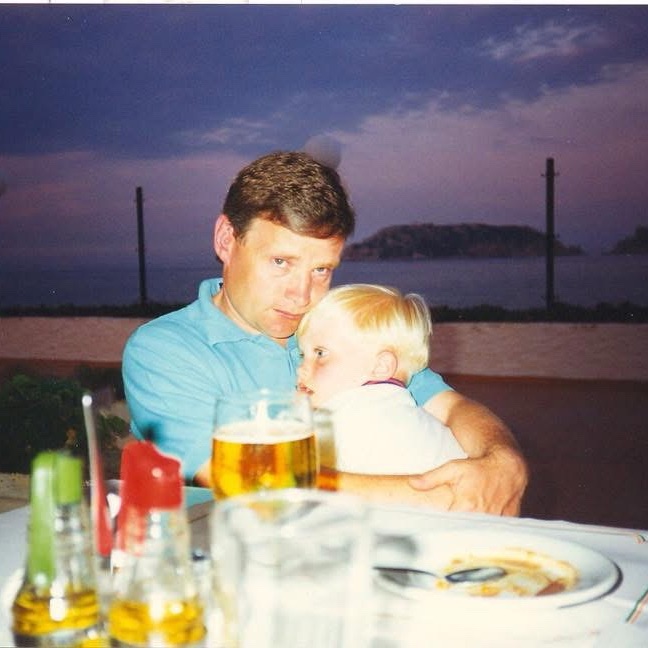
Why It Was Easy to Miss
That’s the thing about high-functioning autism – it doesn’t always stand out. It hides behind being capable. It hides behind being funny or helpful. It gets mistaken for personality traits – “he’s a perfectionist,” “he’s just shy,” “he’s a bit intense,” “he’s fussy with food.” None of those things alone seem like autism. But together, they tell a story. You just need to know how to read it.
And back then? Nobody really did.
It hides behind being capable. It gets mistaken for personality traits
I think about how many people are being diagnosed later in life now, and I understand why. The signs were always there – just softer, more masked, more internal. Especially if you learn to blend in.
What the Diagnosis Gave Me
Getting diagnosed as an adult didn’t suddenly change who I was. But it gave me something I didn’t know I needed: clarity.
It explained why I struggled with certain things that others found easy. Why I fixated, masked, over-analysed. Why social situations were exhausting even when I appeared confident. It made sense of why I needed structure, why I found change difficult, and why I always felt like I was navigating life with a slightly different rulebook.
It also gave me permission to stop trying so hard to “pass.” To stop blaming myself for things I now understand are part of how my brain works.
And maybe most importantly, it gave me a framework to reflect on my childhood – not with regret, but with understanding.

Final Thoughts
I wasn’t the obvious case. But that doesn’t mean the signs weren’t there. It just means they were subtle. Masked. Misunderstood.
If you’re reading this and wondering about yourself, or your child, or someone close to you – trust that instinct. Even if it doesn’t look like the stereotypical version of autism. Even if it’s hidden behind smiles, good grades, or strong social skills.
Because sometimes, the clearest picture only comes when you start looking back, as I did – through my eyes.
 Autism: Through My Eyes
you have worded this so well Chris, I admire you for putting this out there. Well done
LikeLiked by 1 person